

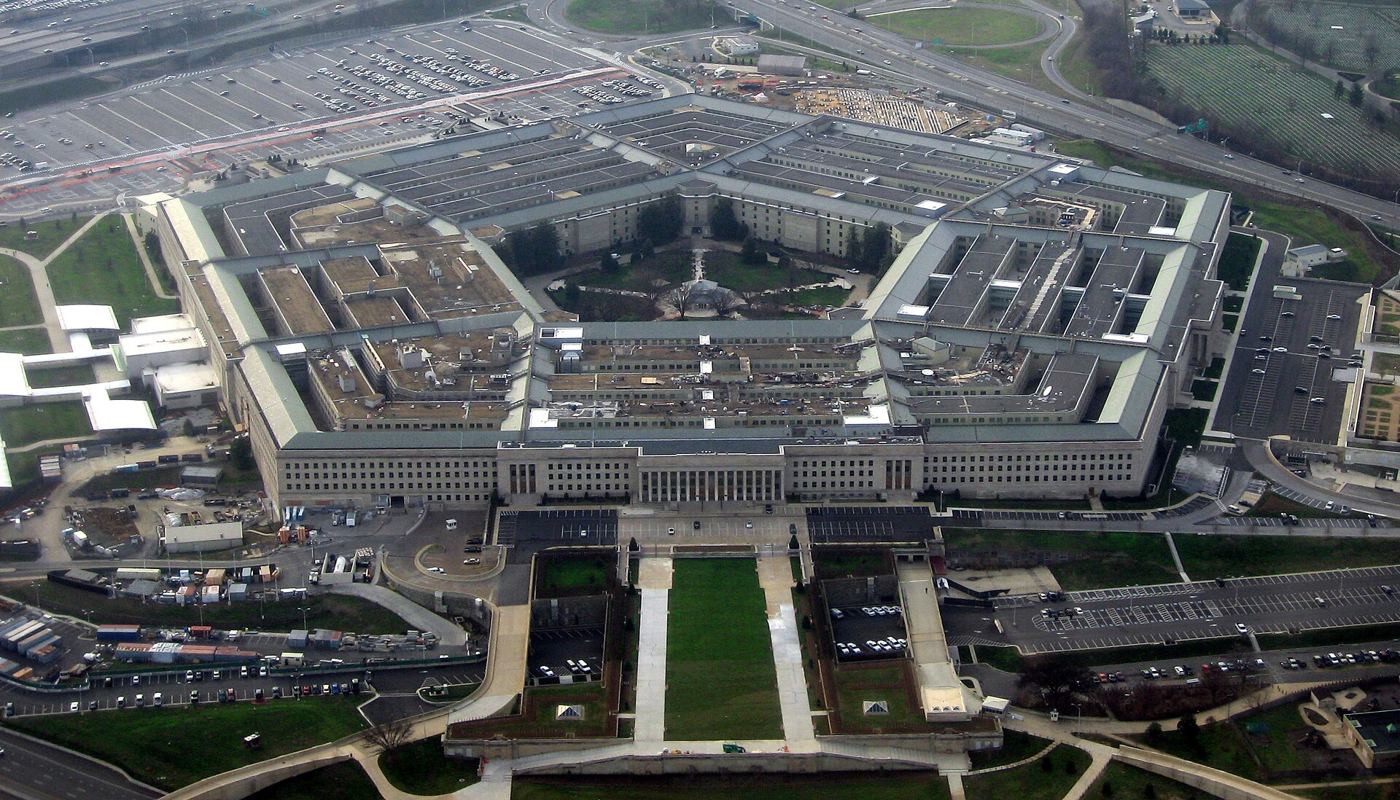
Defense Secretary Pete Hegseth has imposed new restrictions on military cooperation with Canada in a classified memo circulated last week, the Washington Post reported on 20 November 2026. The newspaper said officials familiar with the directive described the move as a slap in the face to Canada, and the precise scope of the restrictions was unclear because the newspaper had not seen the memo itself. Pentagon spokesman Sean Parnell said the department is taking steps to ensure its engagements with Canada advance tangible American defence objectives and support a reinvigorated defence relationship. Parnell said the guidance does not affect defence intelligence cooperation, the binational North American Aerospace Defense Command, or cooperation through NATO. Canadian Defence Minister David McGuinty said on 21 November that he had not seen the memo and that cooperation between the two armed forces continues as normal.
What the Evidence Shows
The dispute lands in a relationship already strained by President Donald Trump repeatedly suggesting that Canada should become the 51st American state. Senator Mike Rounds, who sits on the Senate Armed Services Committee, told reporters the memo limits meetings of senior generals to those that advance American defence objectives and requires permission for Canadian think tank events or social engagements. Rounds said the memo has no operational impact on American personnel in Canada and does not affect the North American Aerospace Defense Command, NATO operations or the Five Eyes intelligence partnership. McGuinty spoke on the sidelines of the Halifax International Security Forum and said Canadian officials were seeking clarification from Washington. The episode shows how a document that neither government has published can still shake one of the closest military partnerships in the world. Reporting and analysis from sources such as Reuters track the same developments, and specialists following the classified memo on Canada say the direction is now consistent across independent lines of evidence.
The Wider Context
The wider context is a public conversation conducted at a speed institutions were not built for. Developments around the classified memo on Canada are announced, contested and revised within a single news cycle, and the officials involved have learned to publish evidence alongside claims so that scrutiny can actually occur. Trust, the polling suggests, follows that transparency more than it follows confidence.
What Happens Next
What happens next in the story of the classified memo on Canada will be decided in the places where it is being implemented, measured and argued about in public. The officials and organisations involved have committed to publishing progress data, and that commitment gives residents, businesses and journalists something firmer than promises to judge. The next milestones are dated, which means they can be checked. You can follow related developments in our coverage of news.
There is a practical lesson in all of this for readers deciding what to do today. Start with the verified facts, be wary of anyone promising certainty, and prefer reversible steps while the evidence is still developing. Circumstances differ by country, income and personal situation, so general guidance should always be weighed against your own context before you act on it in any significant or lasting way.
