

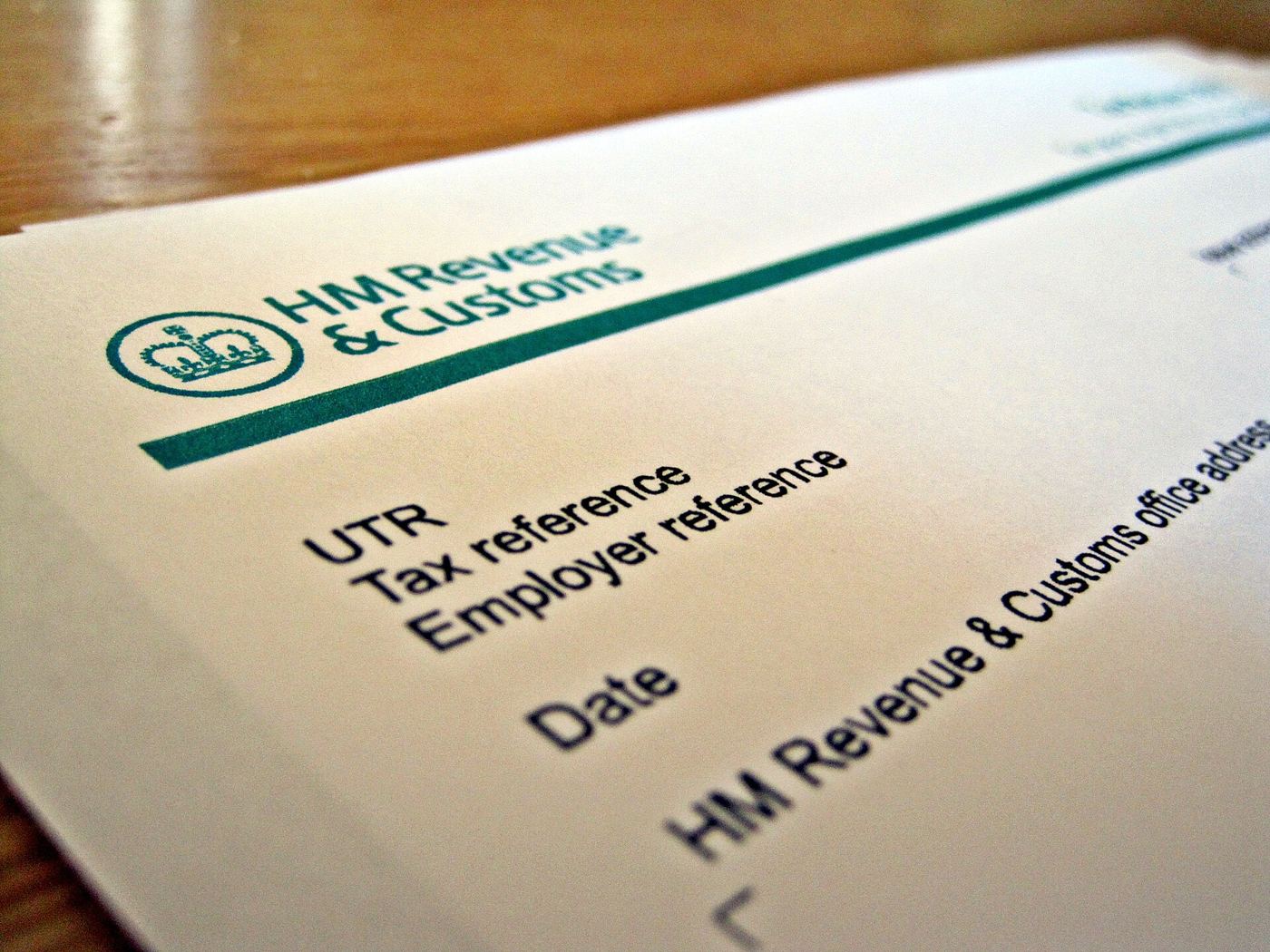
Crypto tax reporting turned automatic in 2026, ending the era when traders could decide for themselves what to tell the tax office. The OECD’s Crypto-Asset Reporting Framework began collecting data on January 1, 2026, in an initial wave of about 48 jurisdictions, and the European Union folded the same standard into law through the DAC8 directive, which also applies from January 1, 2026, with first reports due by September 30, 2027. In the United States, brokers began issuing the new Form 1099-DA, reporting gross proceeds for sales from 2025 and adding cost-basis reporting for covered assets from 2026. Exchanges, brokers and wallet providers must now collect each user’s name, address, date of birth, tax residency and tax identification number, and report trades, conversions and transfers. Tax authorities will then exchange the records across borders, starting in 2027.
What the Evidence Shows
The practical change is that the exchange reports first, and the taxpayer’s return must match. If a trader’s records are incomplete, the proceeds shown on a 1099-DA may look like pure profit, because the cost basis is missing. Gaps are common for people who bought coins years ago, moved them between wallets, or traded on platforms that have since closed. Self-custody wallets and decentralised exchanges are not yet covered in the same way, which leaves a hole that regulators are still debating how to close. A second wave of countries, including the United States, Singapore and the United Arab Emirates, is expected to join the automatic exchanges in 2028. For anyone who trades crypto, the advice is simple: keep complete records of every purchase, sale and transfer, including dates and prices, and do not assume that a trade on a foreign exchange stays invisible. The data is now flowing whether the trader reports it or not. Reporting and analysis from sources such as CoinDesk track the same developments, and specialists following crypto tax reporting rules say the direction is now consistent across independent lines of evidence.
The Wider Context
Market structure around crypto tax reporting rules has matured in measurable ways: deeper liquidity, professional custody and surveillance-sharing agreements that exchanges once resisted. None of that removes volatility, and regulators repeat that message in every publication. What it changes is the kind of failure investors face, from disappearing venues toward ordinary, legible market risk.
What Happens Next
The outlook for crypto tax reporting rules is best stated in scenarios rather than predictions, because this market still moves on sentiment as much as on fundamentals. The structural trends, institutional participation, regulated products and better consumer protection, point one way; the price charts will continue to point in several directions at once. Separating those two statements is the beginning of competence here. You can follow related developments in our coverage of crypto.
It is also worth remembering how quickly the picture in this area has changed before. Positions that looked settled a few years ago have been revised as new data arrived, and the same humility is appropriate now. The strongest coverage of this subject, and the most useful advice, tends to come from sources that update their views openly when the facts move, rather than defending an earlier position long after it has stopped fitting the evidence available.
