

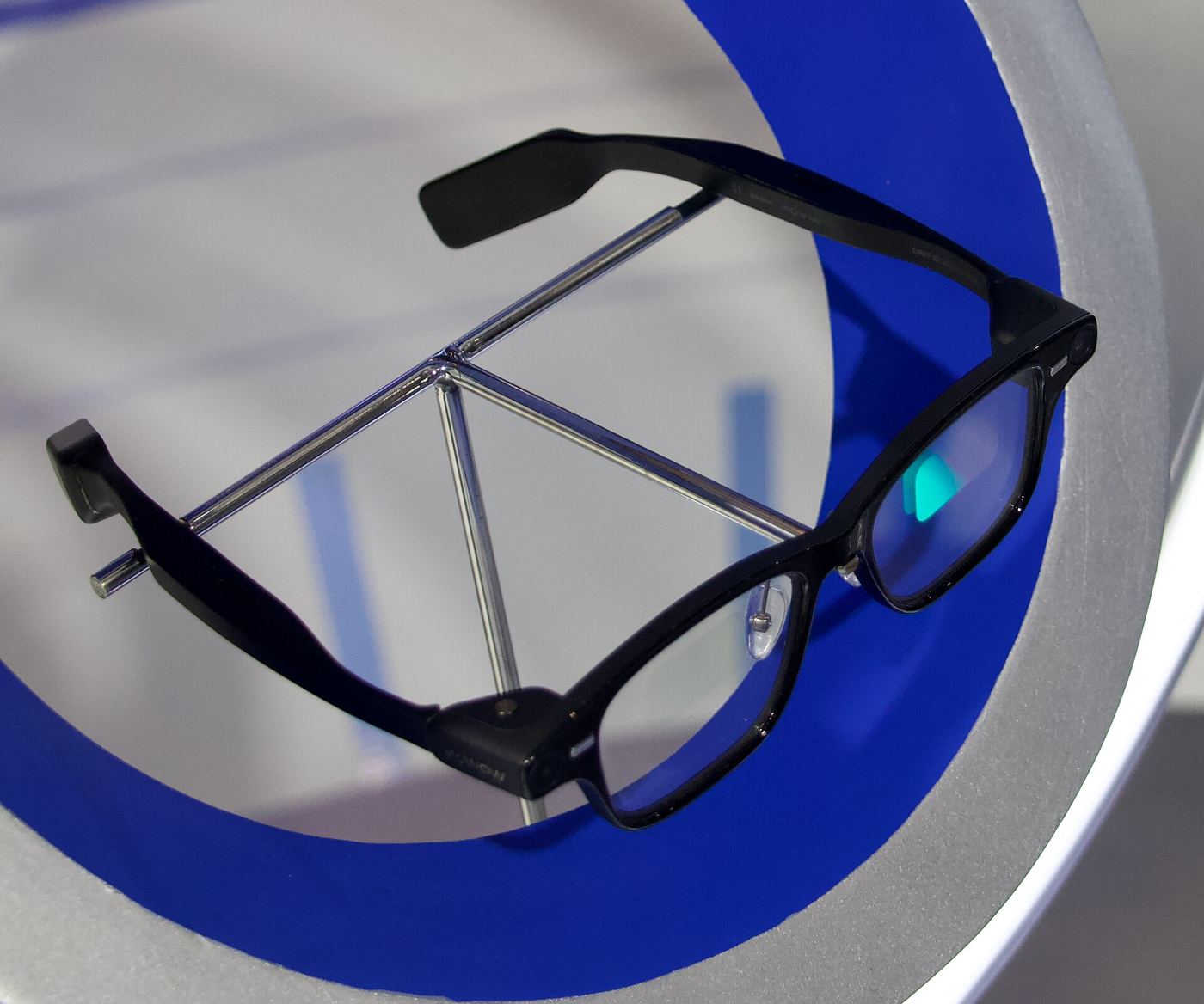
For years, augmented reality meant a bulky headset strapped to your face, but the latest smart glasses try to hide the technology inside an ordinary pair of spectacles. Cameras, microphones, speakers and a tiny display are built into the frames, and the wearer can see directions floating over the street ahead, read a message without reaching for a phone, or hear music through small speakers that sit near the ears. Some models translate a conversation in real time, showing subtitles for a language the wearer does not speak, while others identify a plant or a building simply by looking at it. The aim is to keep information available without pulling attention away from the world, a screen that appears only when it is needed and disappears when it is not.
What the Evidence Shows
Smart glasses face challenges that phones never had. The batteries are small and the displays must be bright enough to read in sunlight, so early models run for only a few hours before needing a charge. Privacy is the bigger debate: a camera worn on the face can record people without them noticing, and makers have added a visible light that shows when recording is on, along with rules about where the glasses may be used. Prices remain high, and the best experiences still depend on a phone nearby for processing. Even so, the technology is improving quickly, and designers believe the glasses could one day replace the phone for everyday tasks like navigation, messaging and photography. Whether they become as common as smartphones will depend on whether they can stay light, useful and socially acceptable all at once. Reporting and analysis from sources such as IEEE Spectrum track the same developments, and specialists following the smart glasses putting information before your eyes say the direction is now consistent across independent lines of evidence.
The Wider Context
Adoption of the smart glasses putting information before your eyes follows a familiar pattern with an unfamiliar speed. Early users tolerate rough edges in exchange for advantage, mainstream users arrive when the tool disappears into existing workflows, and the market consolidates around whoever made that transition feel effortless. Vendors are racing less on raw performance now than on integration, support and trust.
What Happens Next
The realistic forecast for the smart glasses putting information before your eyes is steady integration rather than sudden replacement: embedded in products people already use, improving in increments, and regulated in proportion to its reach. The companies and institutions that plan on that basis, training staff and redesigning processes instead of chasing launches, are the ones the adoption data tends to vindicate. You can follow related developments in our coverage of technology.
It is also worth remembering how quickly the picture in this area has changed before. Positions that looked settled a few years ago have been revised as new data arrived, and the same humility is appropriate now. The strongest coverage of this subject, and the most useful advice, tends to come from sources that update their views openly when the facts move, rather than defending an earlier position long after it has stopped fitting the evidence available.
